
Our Core Values

At Marketwynx Atelier, we're driven by a profound commitment to preserving the technical heritage and sonic character of vintage radio equipment. Our values shape every aspect of our teaching approach and restoration philosophy.

01
Preservation of Sound Heritage

Authentic Sound Preservation

We believe that vintage radios and valve amplifiers possess unique sonic characteristics that represent important chapters in the evolution of audio technology. Our approach to restoration prioritizes maintaining these authentic acoustic signatures rather than imposing modern sound preferences.
How We Apply This Value:

  • We use period-appropriate component values and types that preserve the original frequency response and audio character, even when modern substitutes might offer "improved" specifications.
  • Our alignment procedures restore receivers to their original performance parameters rather than modifying them to contemporary standards.
  • We document the unique acoustic properties of different models and eras, creating a living archive of audio heritage.
  • We teach students to recognize and appreciate the distinctive tonal qualities of different periods and manufacturers, developing their "historical ear" for authentic restoration.
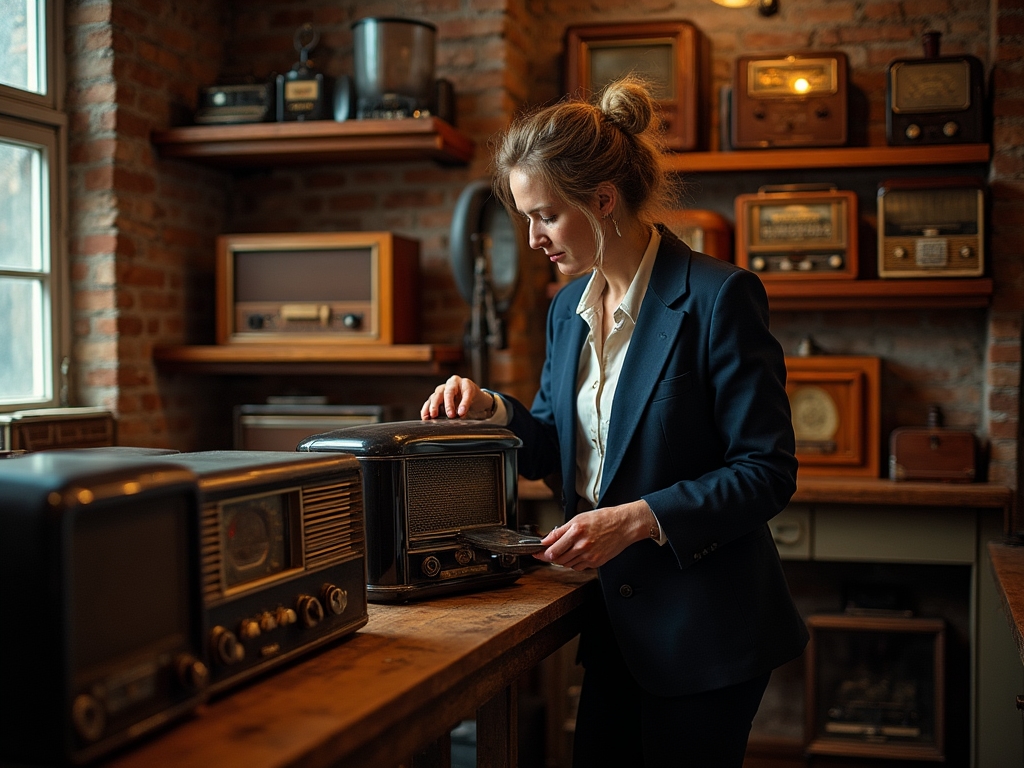
Breathtaking collection of fully restored vintage radios from different eras arranged chronologically on custom oak shelving
02
Craftsmanship and Accuracy

Meticulous Attention to Detail

We uphold the highest standards of craftsmanship in every aspect of restoration work. This extends beyond electronic components to include cabinet finishes, dial mechanisms, and even internal wiring layouts that respect the original manufacturing methods.
How We Apply This Value:

  • We teach precise soldering techniques specific to vintage chassis materials, including proper heat management for fragile bakelite and phenolic components.
  • Our cabinet restoration methods employ period-correct finishes and materials, with detailed documentation of original appearances.
  • We maintain an extensive archive of original factory wiring layouts and component placement to ensure authentic restorations.
  • Students learn to replicate factory-standard wire routing, component orientation, and even the distinctive "look" of different manufacturers' assembly techniques.
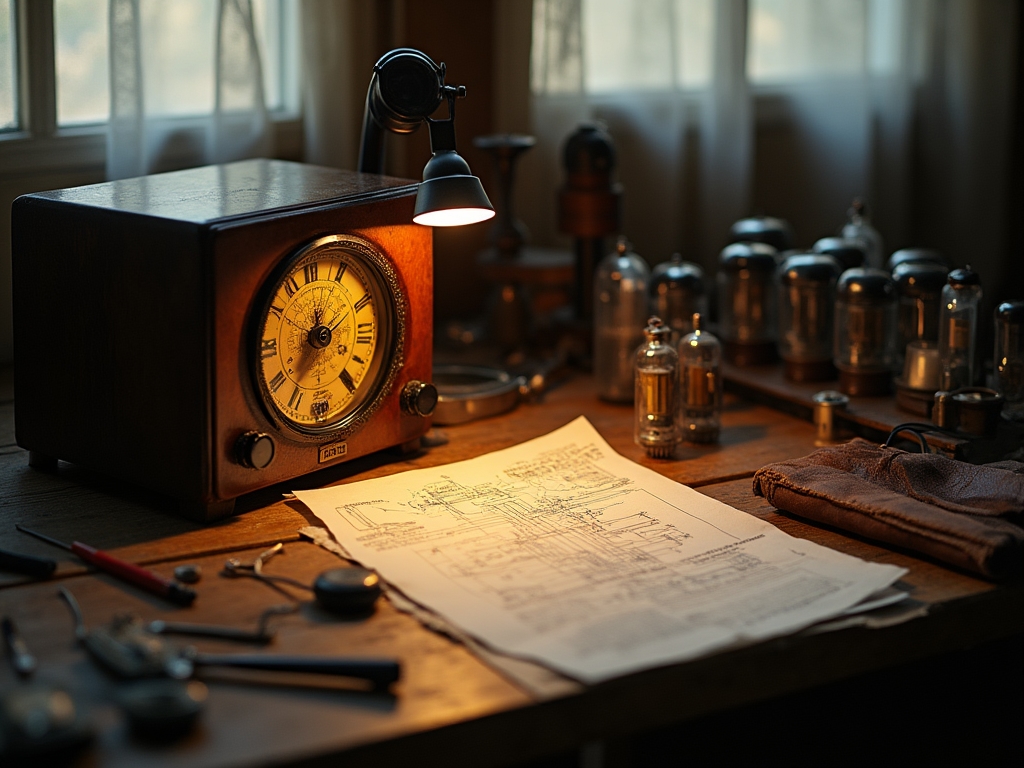
Atmospheric vignette capturing the essence of craftsmanship within the restoration workshop
03
Safety and Responsibility

Uncompromising Safety Standards

Working with vintage vacuum tube equipment involves potentially lethal voltages and occasionally hazardous materials. We believe that proper safety education is the foundation of responsible restoration practice and insist on rigorous protocols in all our workshops.
How We Apply This Value:

  • We begin every workshop with comprehensive safety training specific to vacuum tube technology, including proper discharge procedures, isolation transformer use, and grounding practices.
  • Our facility features purpose-designed safety equipment including insulated workstations, specialized discharge tools, and appropriate PPE for all operations.
  • Students learn to identify potentially hazardous materials common in vintage equipment (asbestos, PCB capacitors, lead-based solder) and proper handling/disposal methods.
  • We teach risk assessment as a fundamental skill, ensuring students can evaluate the safety implications of any restoration task before proceeding.
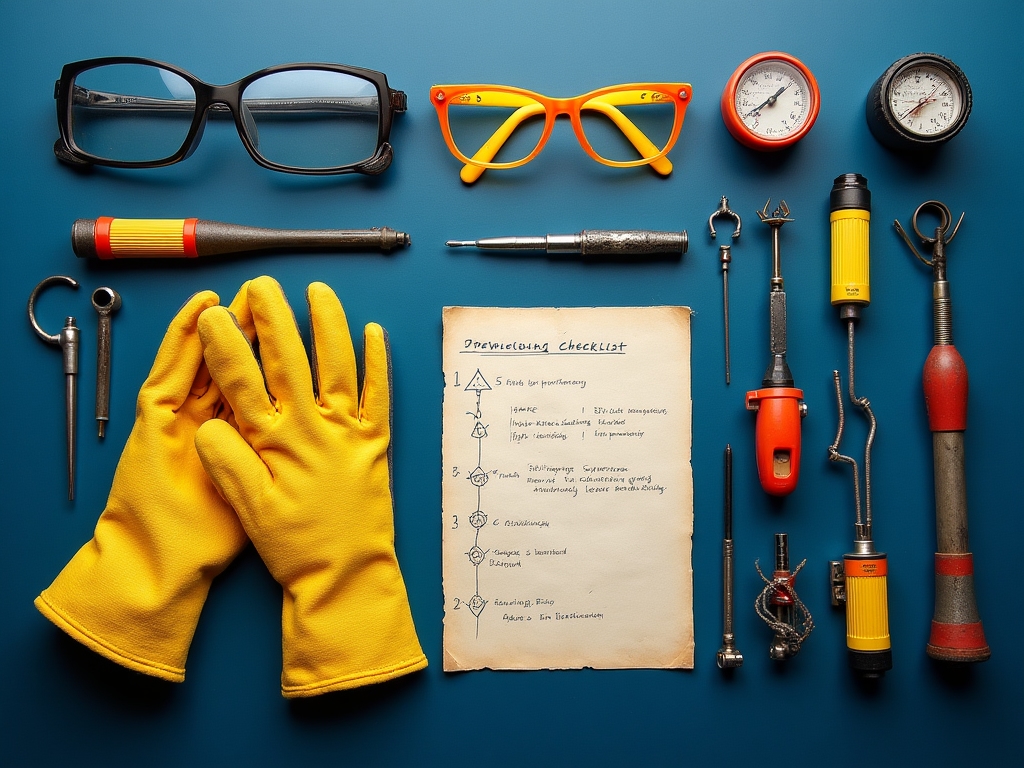
Meticulously arranged flat-lay composition showcasing comprehensive safety equipment used in the vintage radio restoration workshop
04
Education and Mentorship

Knowledge Transfer Through Practice

We believe that the skills of vintage electronics restoration are best preserved through direct, hands-on teaching that combines theoretical understanding with tactile experience. Our educational approach emphasizes learning by doing under expert guidance.
How We Apply This Value:

  • Our curriculum balances theoretical foundations with extensive practical application, ensuring students develop both conceptual understanding and manual skills.
  • We maintain low student-to-instructor ratios (maximum 4:1) to provide personalized guidance and immediate feedback during critical learning moments.
  • Our teaching methodology incorporates deliberate practice techniques, where students repeatedly perform key skills with incremental challenges and expert coaching.
  • We encourage a community of practice through alumni events, skill-sharing sessions, and collaborative restoration projects that extend learning beyond formal workshops.
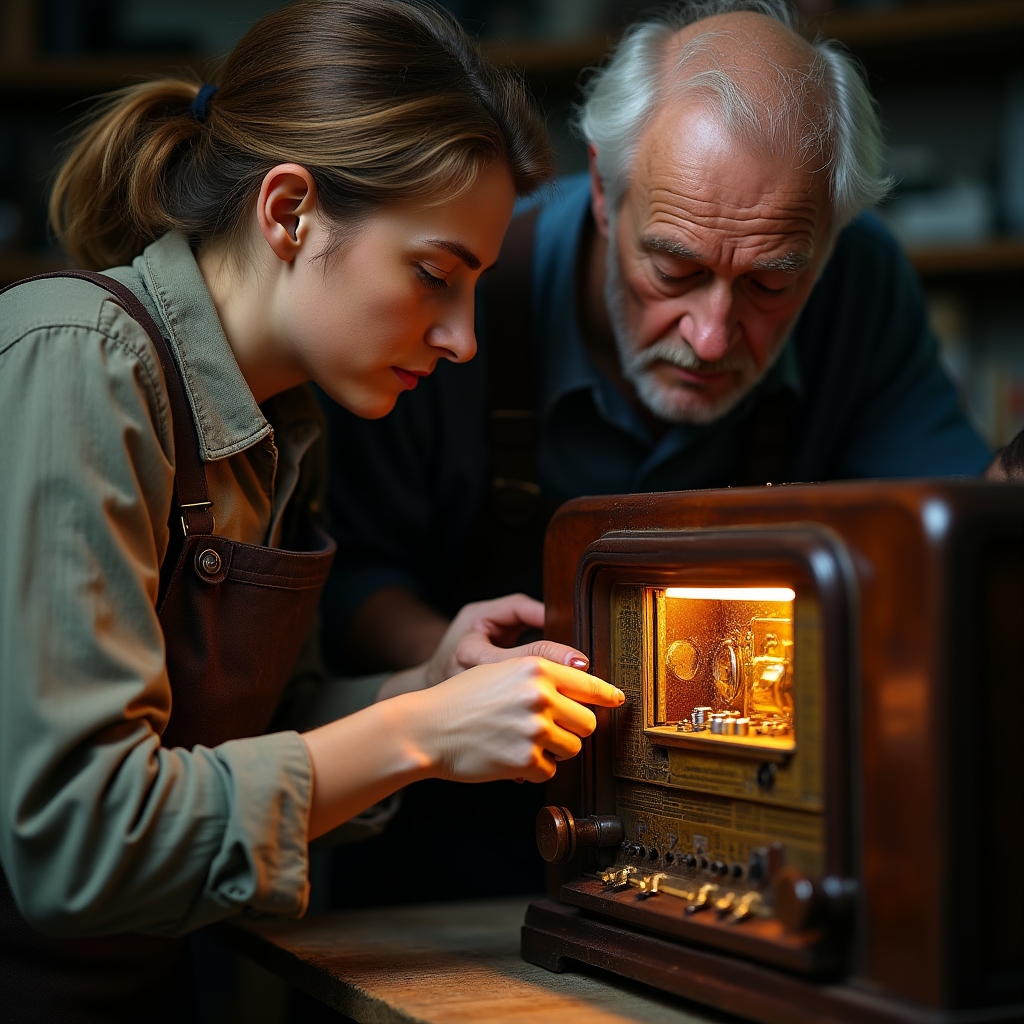
Intimate over-the-shoulder perspective capturing the precise moment of knowledge transfer between generations
05
Sustainability

Restoration Over Replacement

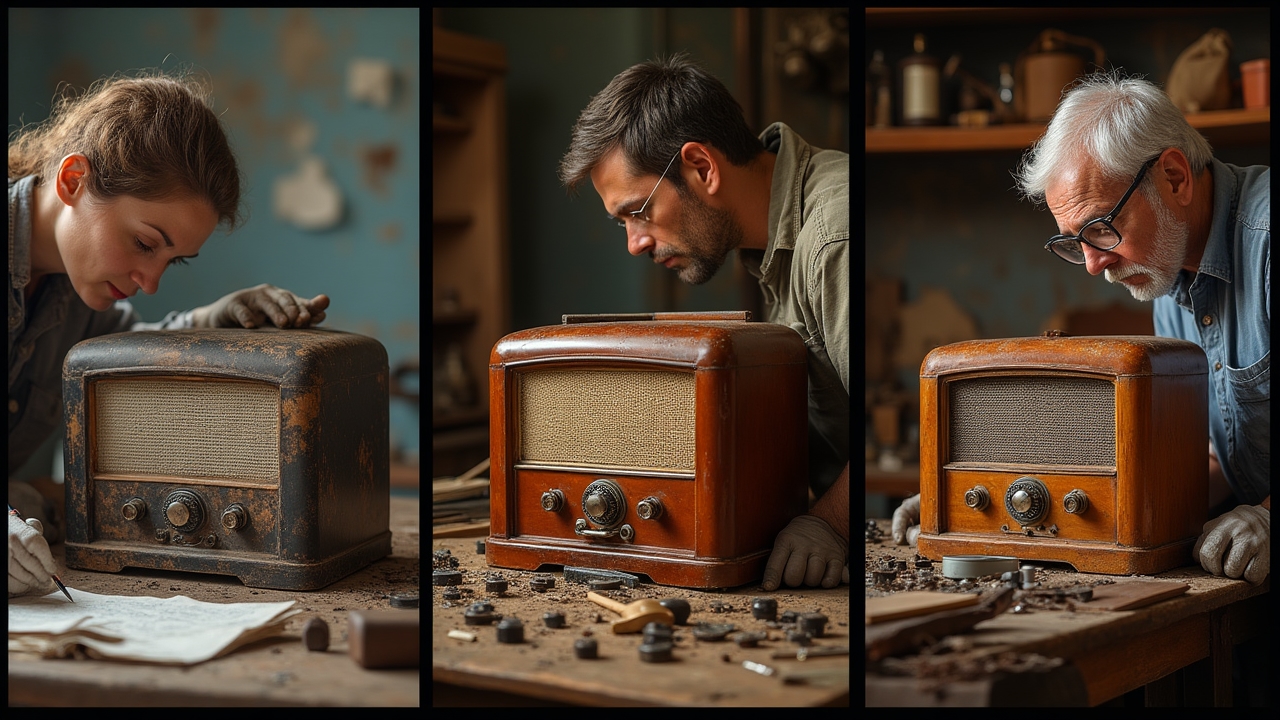
We champion the environmental and cultural benefits of restoring and maintaining vintage technology rather than discarding it. By extending the life of these historic devices, we reduce waste while preserving important artifacts of technological history.
How We Apply This Value:

  • We teach techniques for salvaging and refurbishing original components whenever possible, minimizing the need for replacements.
  • Our workshops include specific modules on environmentally responsible disposal of non-recoverable components containing hazardous materials.
  • We maintain an extensive parts exchange network that reduces waste by connecting restorers with salvaged components that would otherwise be discarded.
  • We document the environmental impact of restoration versus replacement, highlighting the sustainability advantages of extending the useful life of existing technology.
Compelling triptych-style composition showing three key stages of radio restoration within a single frame

Our Quality Assessment Approach

The success of our educational programs is measured through concrete, observable outcomes that reflect both technical proficiency and restoration philosophy. We believe that quality restoration work combines measurable technical parameters with aesthetic and historical authenticity.

Technical Performance Assessment

We evaluate student work against original factory specifications using period-appropriate test equipment. Successful restorations must demonstrate proper alignment, specified sensitivity, selectivity, and audio performance within original parameters. This includes correct voltages at test points, proper signal-to-noise ratios, and authentic frequency response.

Aesthetic and Historical Accuracy

Beyond electrical performance, we assess restoration quality through historical accuracy. This includes appropriate component selection, authentic wiring techniques, and faithful cabinet restoration. Students must demonstrate understanding of period-specific manufacturing methods and design aesthetics particular to different manufacturers and eras.

Practical Skill Demonstration

We require students to demonstrate specific technical skills through practical assessments. These include precision soldering of fragile components, proper alignment procedures using oscilloscopes and signal generators, accurate diagnosis of common faults, and safe high-voltage testing methods. Each skill is evaluated against established quality benchmarks.

Documentation Standards

Complete documentation is an essential element of quality restoration. We teach and assess proper documentation practices including before/after photography, detailed work logs, component replacement records, and measured performance data. This documentation forms a historical record for future restorers and preserves knowledge of the original condition.

Experience Our Values in Practice

The true measure of our values is in the workshop experience itself. We invite you to visit our atelier, meet our master restorers, and see firsthand how these principles translate into exceptional learning opportunities and authentic restoration results.

Book a Workshop

Get in Touch

Have questions about our values or approach to restoration?

4 Fulwood Pl, London WC1V 6HG